Bioconversion by insects:
An innovative solution for the recovery of agri-food by-products and agricultural residues
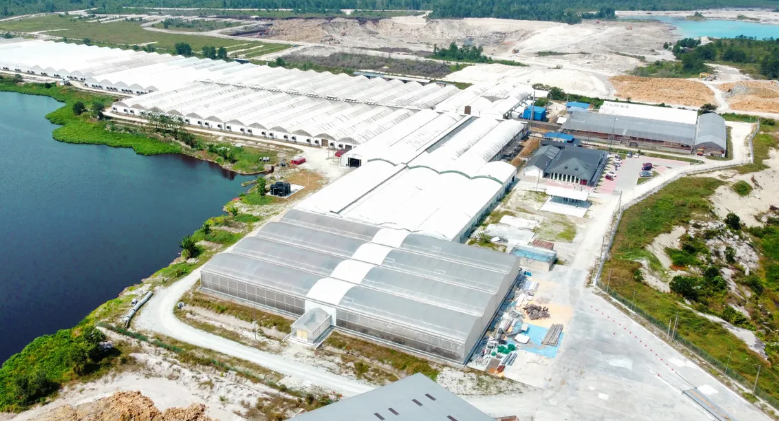
Inspro (VBM Malaysia) helps its clients to maximize resource efficiency and nutrient management. By Rearing insect larvae, it provides a dual solution: it creates a sustainable pathway for repurposing food processing residues from agricultural and food industries, while simultaneously producing a novel source of proteins and nutrients for both animal and plant feed.
By 2050, according to the FAO, food production will have to increase by 70% to feed a growing world population (9.1 billion people).
These trends, and the pressure they put on food resources, are weighing on our planet’s limits. Natural resources are limited:
70% of agricultural land is used for livestock farming, their expansion is one of the main reasons for deforestation. Soybean farming, a source of protein, is one of the main causes.
Aquaculture requires large quantities of soybean meal or fish caught at sea, which is one of the causes of overfishing and the degradation of marine ecosystems.
7 gigatons of CO2 are emitted each year by the current livestock system, and represent 15% of greenhouse gas emissions of human origin according to the FAO.
The mobilization of water that is becoming scarce and its pollution by nitrates, phosphates, ammonia.
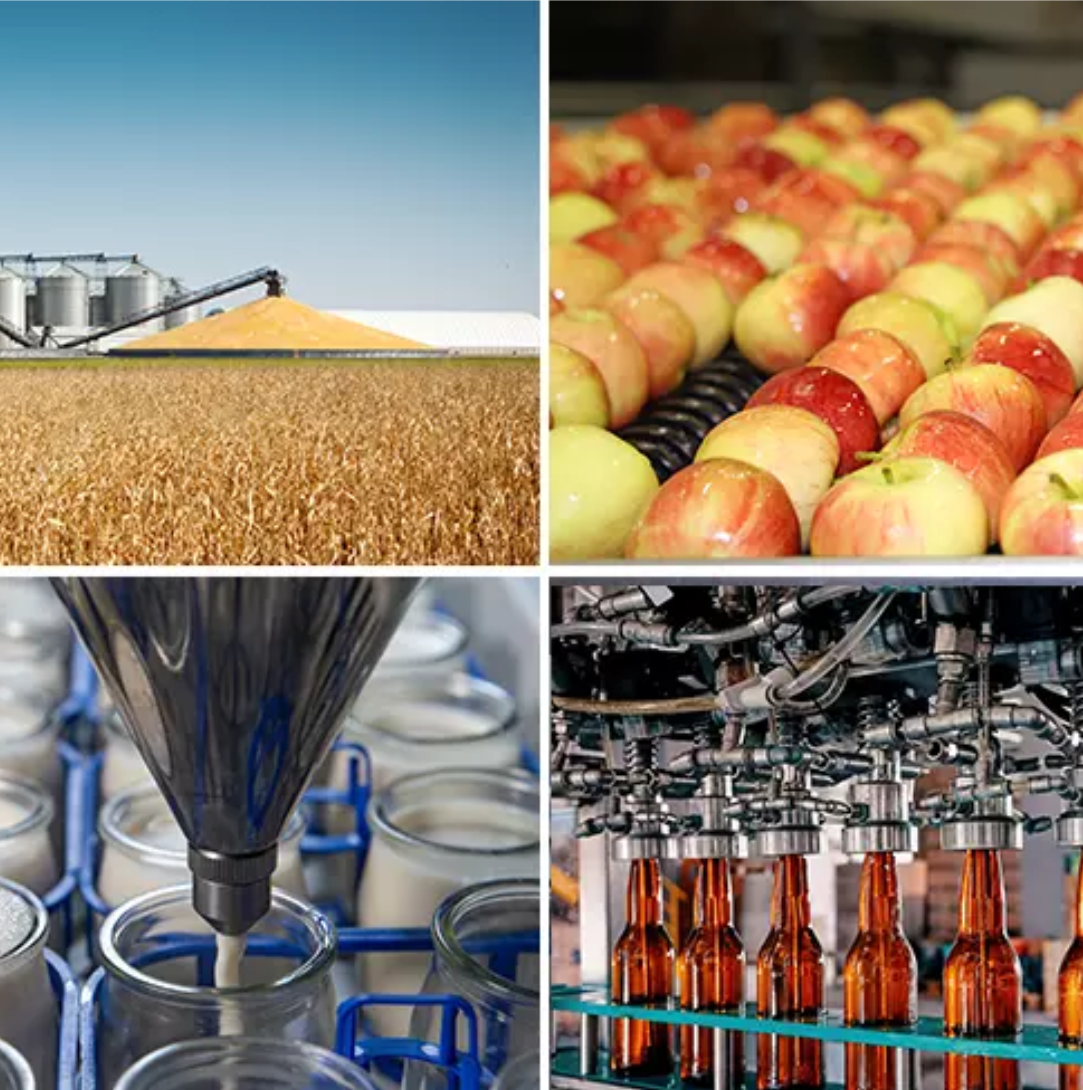
Agriculture and the agri-food industries generate large quantities of unused organic by-products (14% according to the FAO). Their recovery would be a source of nutrients for animals and plants.
Insects as natural nutrient recyclers
Inspro (VBM Malaysia) places innovation and decarbonization at the heart of its activities by offering high-performance solutions with low environmental impact for the recovery of organic by-products. Bioconversion by insects is a solution proposed by Inspro (VBM Malaysia) to meet the challenge of animal and plant nutrition.
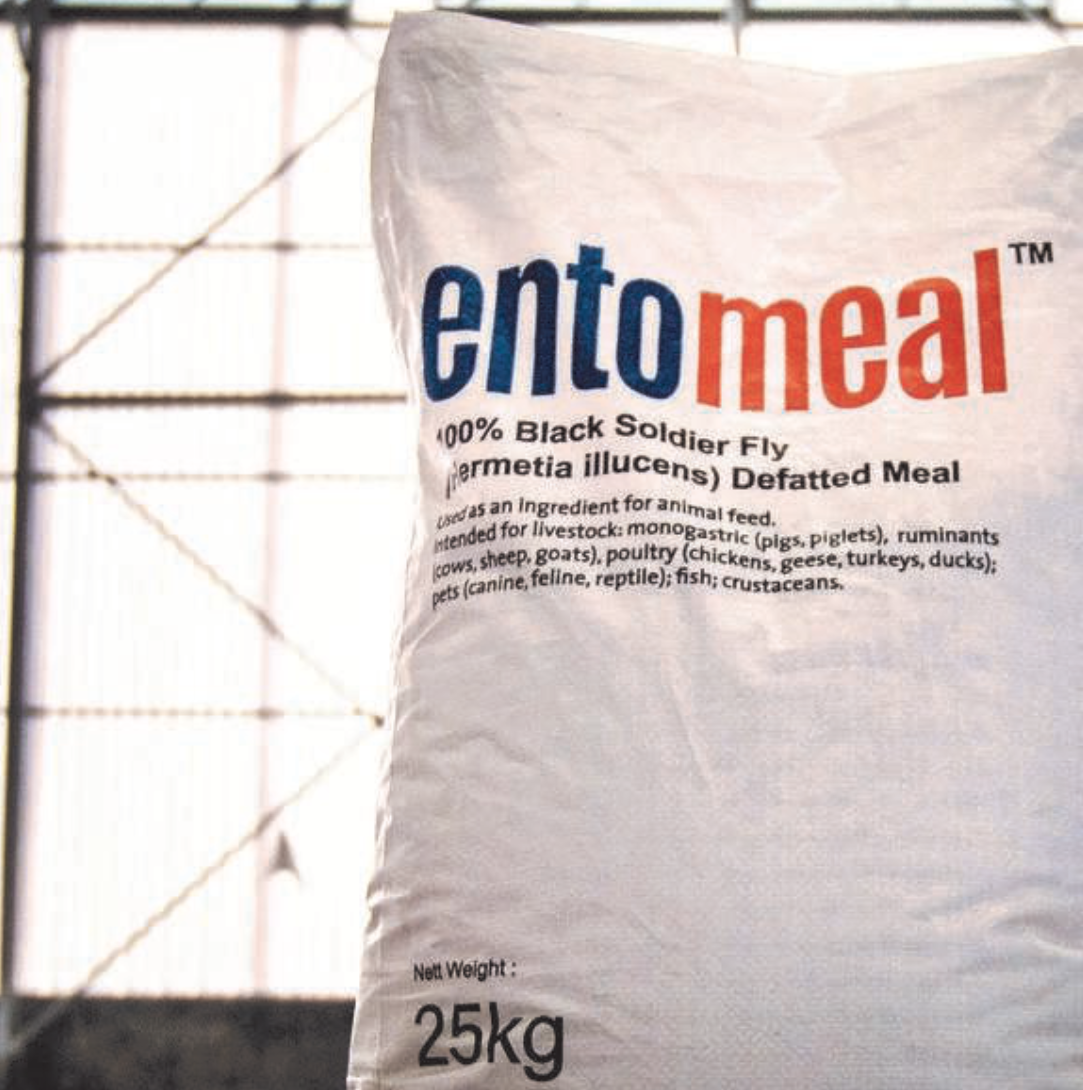
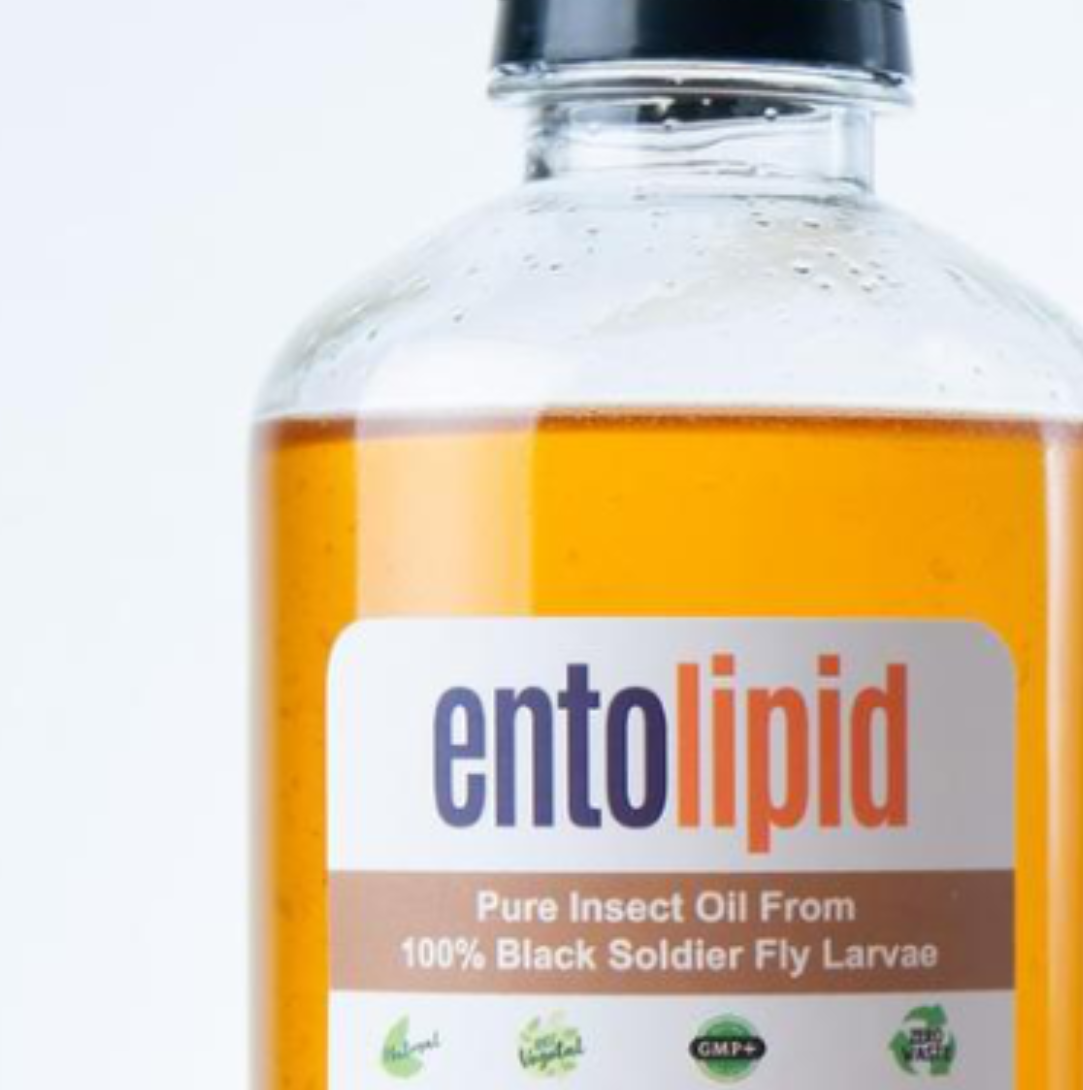
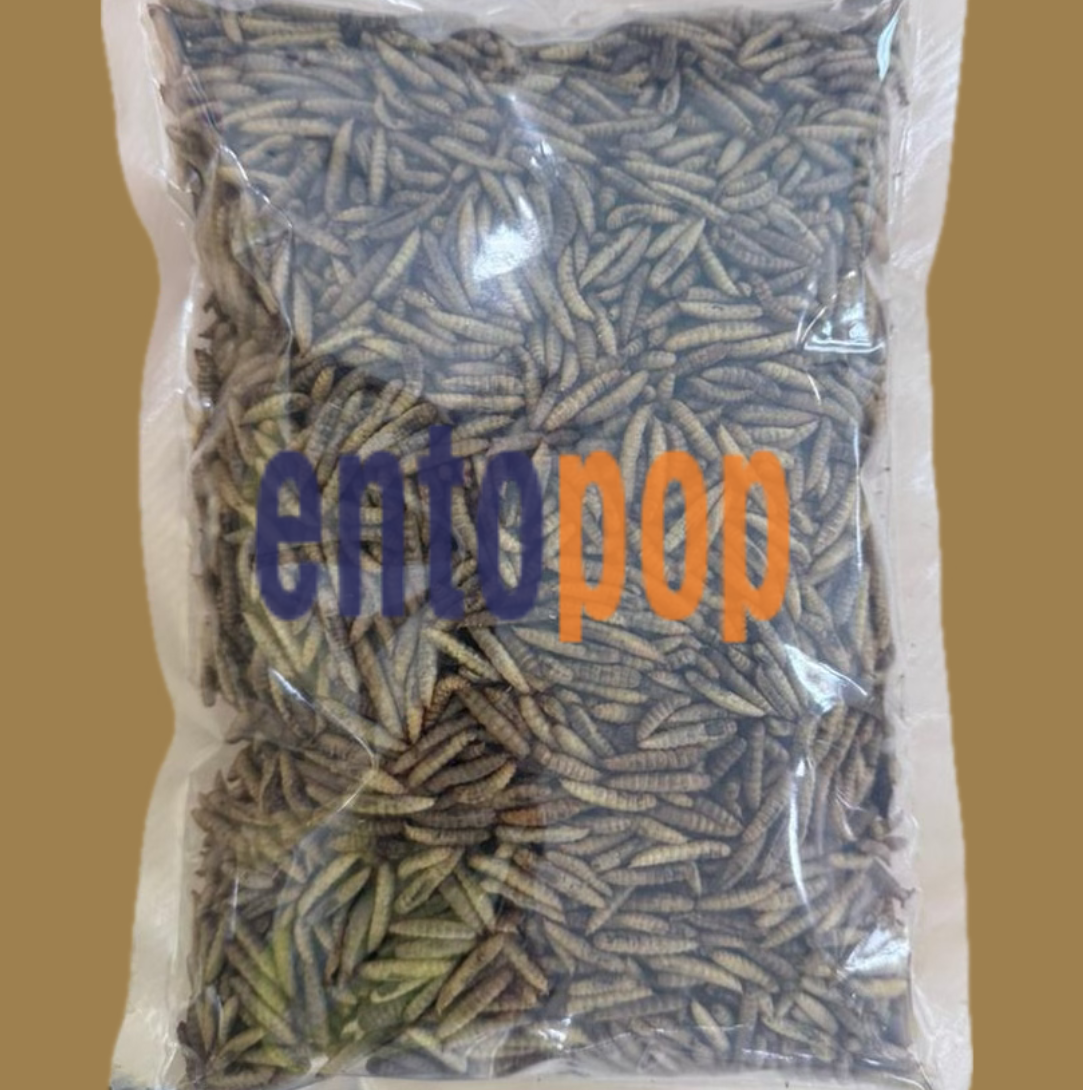
The black soldier fly Hermetia illucens is a cosmopolitan, detritivorous species, harmless to humans and non-invasive in the environment. Its larvae are voracious for organic matter and in 15 days multiply their weight by 800, a food conversion efficiency 2 to 7 times higher than that of conventional animal species. The larva is harvested, heat-treated before being transformed into protein-rich powder and virgin oil for animal feed. Its excrement, also called frass, rich in nutrients can be used in agriculture. A zero waste solution.